The Issue
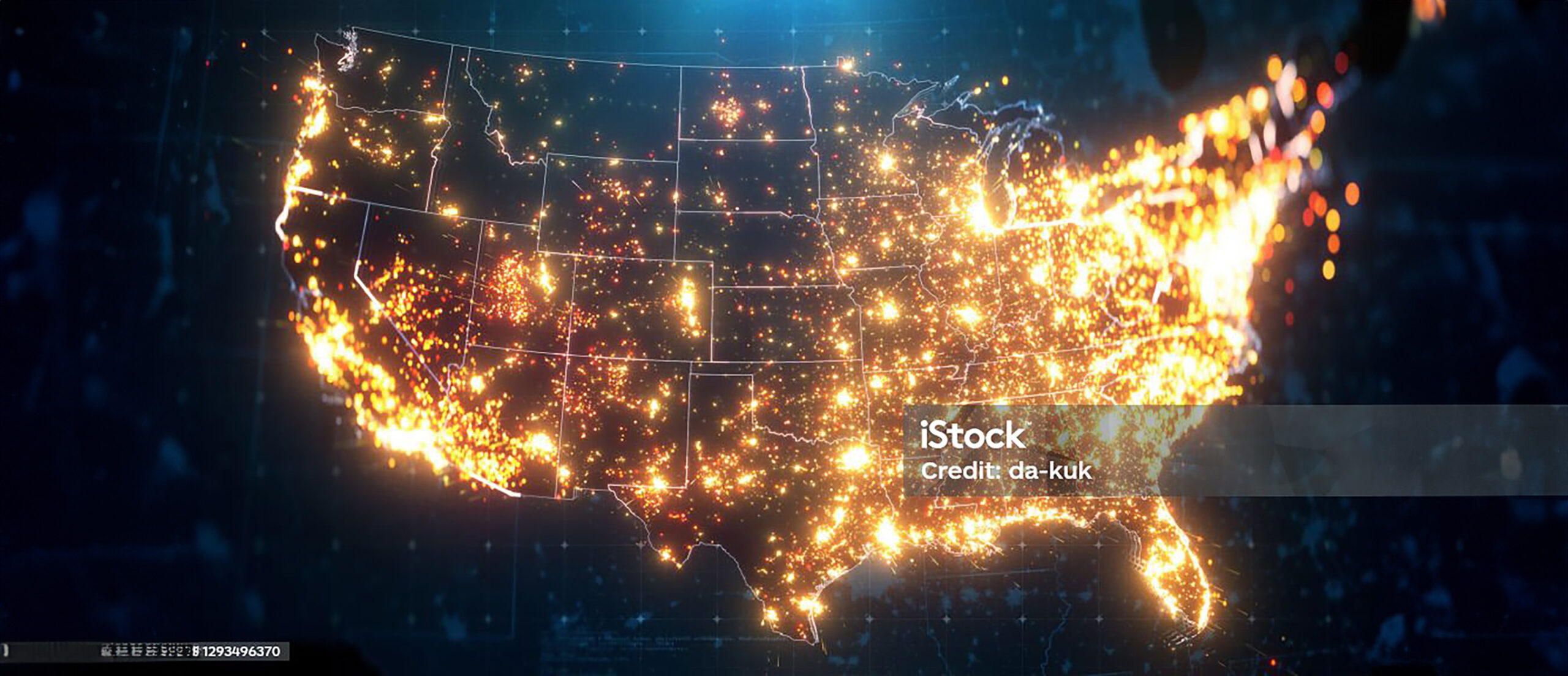
Nearly all aspects of modern life depend on a robust and reliable power grid. But with demand rising and more frequent extreme weather events, the grid’s reliability is on the line. Without action to FIX THE GRID, America is vulnerable to power outages, cyber threats, and extreme weather that could overwhelm our ability to safeguard our power grid.
Ranked as one the greatest engineering achievements of the 20th century, the United States’ energy grid is starting to show its age.
Here are some of the largest threats to grid today:
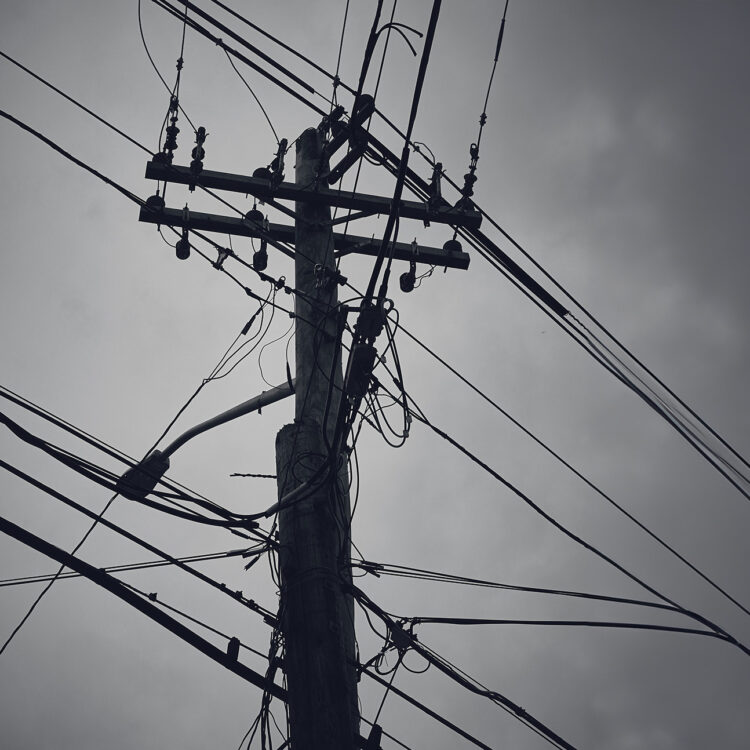
OUTDATED INFRASTRUCTURE.
The poles and wires that power our lives are buckling under the demands of the 21st century. Designed with a 50-year life expectancy, many of these transmission lines have already exceeded that limit. As this aging infrastructure starts to show its age, the reliability of our electrical grid is at risk.
Outdated equipment struggles to keep up with increased demand and requires frequent maintenance, leading to higher risks of failures and outages. Without significant upgrades, the grid’s ability to support America’s growing energy needs will impact economic stability, public safety and our quality of life.
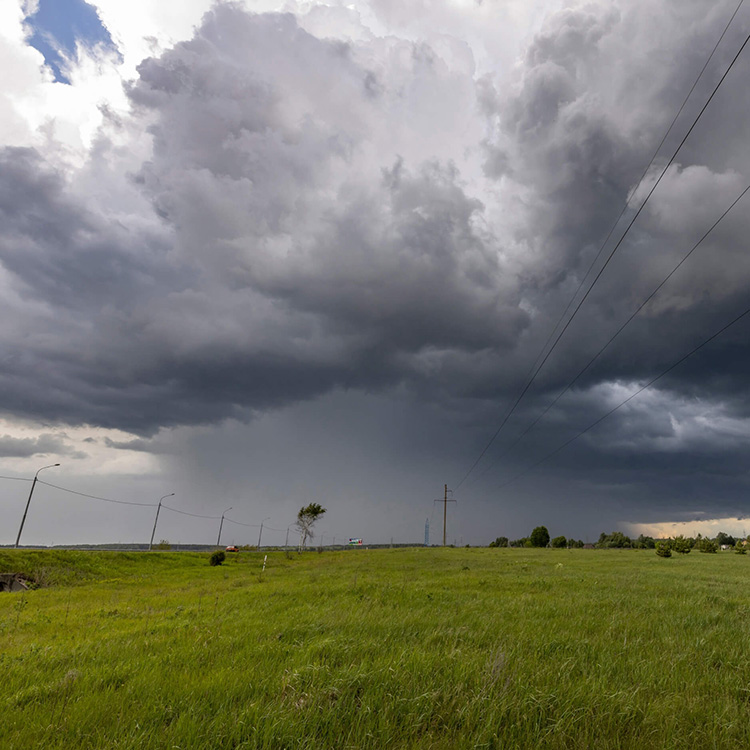
EXTREME WEATHER EVENTS.
Extreme weather is increasing in intensity and frequency, and our electric grid is taking the hit. 80% of major U.S. power outages reported between 2000 and 2023 were due to weather events. That includes 19 billion-dollar severe storms in 2023 alone — nearly 50% more than the previous record year of 2020.
Power outages during severe storms and heat waves have already proven deadly. The United States now experiences triple the amount of heat waves compared to the 1960s, with average heat wave seasons lasting 46 days longer and significantly more intense. In 2023 alone, 2,302 people died from heat related causes – the highest number in 45 years. Extreme cold in conjunction with power troubles associated with Winter Storm Uri in 2021 resulted in 250 deaths in Texas. When the power goes out, the most vulnerable among us bear the brunt of the impacts.

INCREASED DEMAND.
Increased electricity demand, driven by digital technologies, advanced manufacturing, data centers and AI, has stressed our aging infrastructure. We’ve seen the existing network of grid infrastructure stretched to its limits to keep up, including in Texas and California, states that have experienced failures during peak demand, threatening millions with rolling blackouts. As 21st-century technologies evolve, the strain on the grid will only grow.
Global competition and economic pressures strain our grid, threatening America’s competitiveness. Rapid deployment of transmission infrastructure is crucial to prevent manufacturing facilities from relocating and to protect data security. Modernizing the transmission grid could unlock up to $7.8 trillion in investment and create more than 6 million new jobs, primarily in rural areas.
RESOURCES
Energy Assurance Depends on a Resilient Transmission Grid
Lorem ipsum dolor sit amet, consectetur adipiscing elit, sed do eiusmod tempor incididunt ut labore et dolore magna aliqua.
FACT SHEET
Transmission and Electric Reliability
SAFE Report
SAFE Report: U.S. Must Address Power Grid Vulnerability, Transmission Infrastructure To Ensure Secure Energy Transition
Transmission Congestion
The Hidden Cost to Consumers of our Aging Infrastructure
FERC State of the Market Report: The Need for Transmission
Lorem ipsum dolor sit amet, consectetur adipiscing elit, sed do eiusmod tempor incididunt ut labore et dolore magna aliqua.